
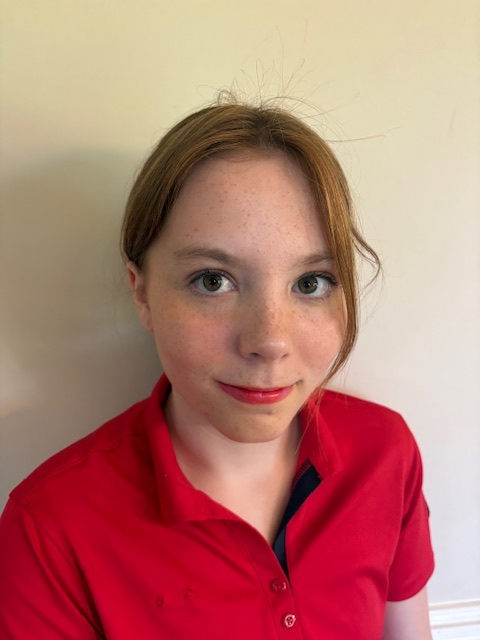
By Allison Thomas, 4H Pollinator Ambassador
Have you ever wanted to save the world? Well, now you can!
My name is Allison Thomas. I’m a sophomore, and I’ve participated in 4H for the past five years. In May of this year, I had the honor of attending classes at Rock Eagle 4H Center as the 4H Pollinator Ambassador for White County. While at Rock Eagle, I learned about the Great Southeast Pollinator Census which was created in 2017 by Becky Griffin, a University of Georgia entomologist and beekeeper. The count has spread over six states: Georgia, South Carolina, North Carolina, Florida, Alabama and Mississippi. The pollinator census relies on people in the community who participate by counting insects and tallying them on a recording sheet.
When you think of a pollinator, you probably think of bees or butterflies, but there are so many more! Insect pollinators are everywhere. From the biggest hornet to the smallest firefly or mosquito, every insect has its place in the count. These insects transfer pollen from flower to flower, enabling plants to reproduce. This is essential for our everyday life.
The Great Southeast Pollinator Census collects data about these insects to track not only the number of insects, but also their migration patterns and life cycles. The count monitors eight main categories: carpenter bees, bumble bees, honey bees, small bees, wasps, flies, butterflies and moths, and other insects. This year’s count takes place on August 21st and 22nd and is completed in your own backyard. Participants study a plant for 15 minutes each day and tally the insects into the above-mentioned categories.
For more information and to participate, please visit the Great Southeast Pollinator website at gsepc.org.
The count is easy enough for anyone to take part, and the information gathered is invaluable.
Come on, White County, let’s count some bugs!
Allison Thomas is a homeschooled Cleveland student and is active in White County 4-H.